Matchup
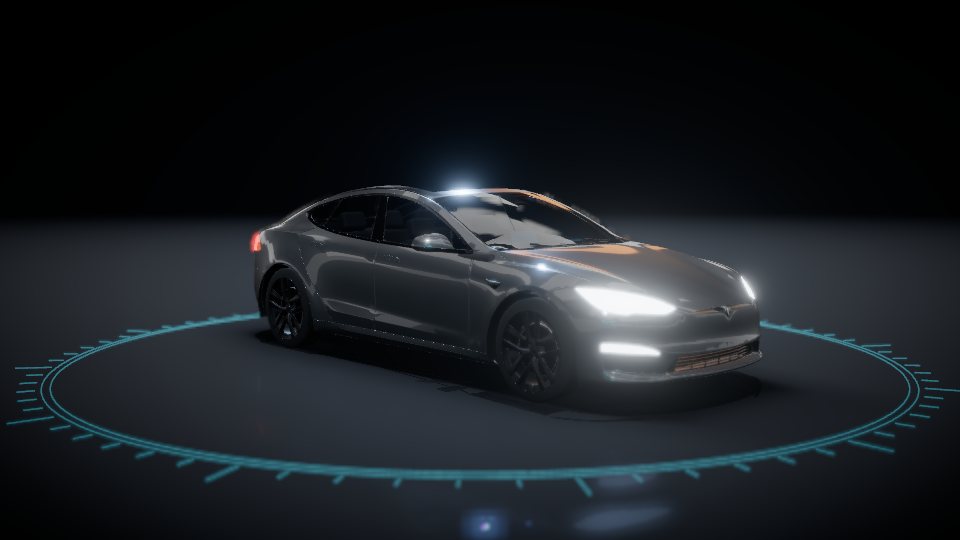
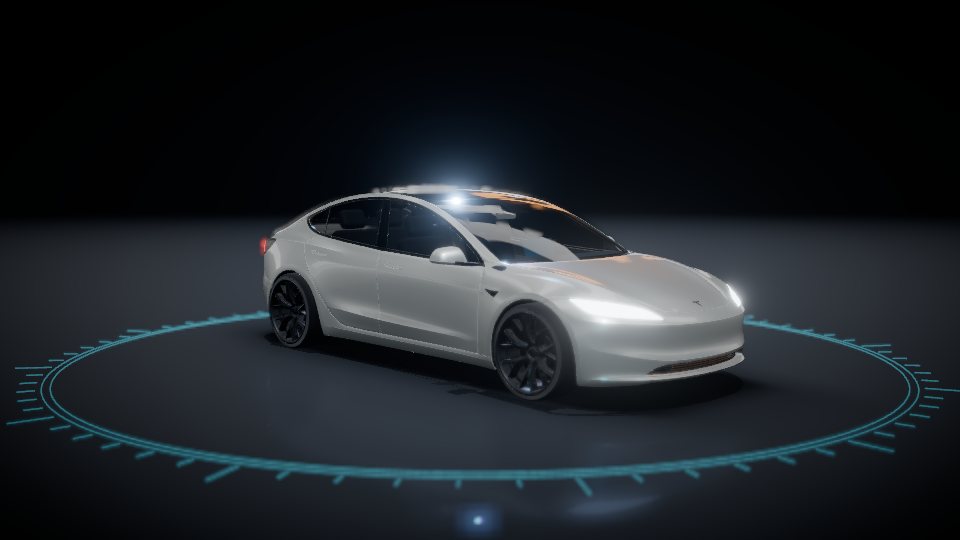
Tesla Model S vs Tesla Model 3
The 2026 Model S All-Wheel Drive against the 2026 Model 3 Premium RWD, through ten physics labs and every official rating we could find.
Last checked Oct 19, 2026. Every figure links to its source.
The short answer
- In the trims shown, the Model 3 costs $67,500 less: $44,130 against $111,630 for the Model S, destination included. PublishedCars.comPublishedTesla
- The Model S goes 47 mi farther on a charge by the EPA’s count: 410 mi against 363 mi. PublishedEPAPublishedEPA
- The Model 3 is rated 137 MPGe by the EPA, 13 MPGe better than the Model S (124 MPGe). PublishedEPAPublishedEPA
- The Model S gets to 60 mph 1.5 s sooner: 3.1 s against 4.6 s. PublishedTeslaTestedCar and Driver
At a glance
| Model S | Model 3 | |
|---|---|---|
| Starting price, this trim | $111,630PublishedCars.com | $44,130PublishedTesla |
| Powertrain | Permanent-magnet front and rear motors · Dual motor AWD | Permanent-magnet synchronous rear motor · Rear-wheel drive, single motor |
| 0–60 mph, tested or claimed | 3.1 sPublishedTesla | 4.6 sTestedCar and Driver |
| Braking 70–0 mph, tested | no data | 178 ft (54.3 m)TestedCar and Driver |
| EPA efficiency | 124 MPGePublishedEPA | 137 MPGePublishedEPA |
| EPA range | 410 mi (660 km)PublishedEPA | 363 mi (584 km)PublishedEPA |
| Cargo behind the second row | 25.0 cu ft (708 L)PublishedTesla | 21.0 cu ft (595 L)TestedCar and Driver |
| Large suitcases, packed | 3Simulatedfrom Tesla | 2Simulatedfrom Tesla |
| Seats | 5Published | 5Published |
| Crash ratings | NHTSA rollover 5★ only · no crash test yet | NHTSA 5★ overall · IIHS crash tests G/A/G |
Acceleration
The Model S gets to 60 mph 1.5 s sooner: 3.1 s against 4.6 s.
| Model S | Model 3 | |
|---|---|---|
| Power | 670 hp (500 kW)PublishedTesla | 286 hp (213 kW)PublishedCar and Driver |
| Torque | no data | 322 lb-ft (437 Nm)PublishedCar and Driver |
| 0–60 mph, tested or claimed | 3.1 sPublishedTesla | 4.6 sTestedCar and Driver |
| 0–60 mph, our simulation | 3.0 sSimulated, estimated inputs | 4.8 sSimulatedfrom Car and Driver |
| Passing, 50–70 mph | no data | 2.4 sTestedCar and Driver |
| Quarter mile | no data | 13.2 sTestedCar and Driver |
Braking and stopping distance
On a wet road from 70 mph, reaction included, the Model S needs 354 ft to stop and the Model 3 367 ft: 13 ft more road for the Model 3.
| Model S | Model 3 | |
|---|---|---|
| Braking 70–0 mph, tested | no data | 178 ft (54.3 m)TestedCar and Driver |
| Wet road from 70 mph, 1 s reaction | 354 ft (108.0 m)Simulated, estimated inputs | 367 ft (111.7 m)Simulatedfrom Car and Driver |
| Dry road from 70 mph, 1 s reaction | 273 ft (83.1 m)Simulated, estimated inputs | 281 ft (85.6 m)Simulatedfrom Car and Driver |
| Packed snow from 30 mph, 1 s reaction | 164 ft (50.0 m)Simulated, estimated inputs | 170 ft (51.8 m)Simulatedfrom Car and Driver |
Rollover
It takes a 18 mph sideways slide into a curb to roll the Model S; the Model 3 goes over at 15 mph.
| Model S | Model 3 | |
|---|---|---|
| NHTSA rollover rating | 5★ · 5.7% riskTestedNHTSA | 5★ · 6.8% riskTestedNHTSA |
| Sideways slide that trips it into a roll | 18 mph (28 km/h)Simulated, estimated inputs | 15 mph (24 km/h)Simulated, estimated inputs |
| Static stability factor (half-track ÷ CoG height) | 1.81Simulated, estimated inputs | 1.62Simulated, estimated inputs |
Efficiency and running costs
The Model S goes 47 mi farther on a charge by the EPA’s count: 410 mi against 363 mi.
| Model S | Model 3 | |
|---|---|---|
| EPA efficiency | 124 MPGePublishedEPA | 137 MPGePublishedEPA |
| EPA range | 410 mi (660 km)PublishedEPA | 363 mi (584 km)PublishedEPA |
| Fuel or charging, 15,000 mi a year | $747/yrDerivedEPA | $676/yrDerivedEPA |
| Steady 75 mph, our simulation | 28 kWh/100 mi (17.3 kWh/100 km)Simulatedfrom CR | 24 kWh/100 mi (14.9 kWh/100 km)Simulatedfrom Car and Driver |
| Drag coefficient | 0.23PublishedTesla | 0.22PublishedCar and Driver |
Grip, snow and maneuvering
On packed snow the Model S can pull away at 0.27 g, against 0.14 g for the Model 3.
| Model S | Model 3 | |
|---|---|---|
| Skidpad grip, tested | no data | 0.84 gTestedCar and Driver |
| Cornering grip, our simulation | 0.87 gSimulated, estimated inputs | 0.84 gSimulatedfrom Car and Driver |
| Pulling away on packed snow | 0.27 gSimulated, estimated inputs | 0.14 gSimulatedfrom Car and Driver |
| Turning circle | 40.3 ft (12.3 m)PublishedTesla | 38.4 ft (11.7 m)PublishedJ.D. Power |
| Ground clearance | 4.9 in (12 cm)PublishedTesla | 5.4 in (14 cm)PublishedTesla |
| Tires | Continental ProContact RX (TS) all-season · 255/45R19 · 285/40R19PublishedTesla | Michelin Primacy All Season (T0) · 235/45R18TestedCar and Driver |
Space, luggage and fit
The Model S has 4.0 cu ft more cargo space behind its second row: 25.0 cu ft against 21.0 cu ft.
| Model S | Model 3 | |
|---|---|---|
| Seats | 5Published | 5Published |
| Large suitcases, packed | 3Simulatedfrom Tesla | 2Simulatedfrom Tesla |
| Carry-ons in the space left | 6Simulatedfrom Tesla | 3Simulatedfrom Tesla |
| Cargo behind the second row | 25.0 cu ft (708 L)PublishedTesla | 21.0 cu ft (595 L)TestedCar and Driver |
| Cargo, seats folded | 61.4 cu ft (1,739 L)PublishedTesla | no data |
| Front trunk | 3.1 cu ft (88 L)PublishedTesla | 3.0 cu ft (85 L)TestedCar and Driver |
| Driver head room, 6 ft 4 in driver | −1.0 in (-3 cm)Simulated, estimated inputs | −1.8 in (-5 cm)Simulated, estimated inputs |
| Driver head room, 5 ft 11 in driver | +1.4 in (4 cm)Simulated, estimated inputs | +0.4 in (1 cm)Simulated, estimated inputs |
| Driver head room, 5 ft 4 in driver | +4.6 in (12 cm)Simulated, estimated inputs | +3.3 in (8 cm)Simulated, estimated inputs |
| Rear head room, 5 ft 11 in passenger | 0.0 in (0 cm)Simulated, estimated inputs | −0.7 in (-2 cm)Simulated, estimated inputs |
| Rear knee room, 5 ft 11 in behind 5 ft 11 in | +3.3 in (8 cm)Simulated, estimated inputs | +2.5 in (6 cm)Simulated, estimated inputs |
| Rear head and knee, 6 ft 4 in behind 6 ft 4 in | −2.5 in head · −1.0 in kneeSimulated, estimated inputs | −3.2 in head · −1.8 in kneeSimulated, estimated inputs |
| Front head room, published | 39.7 in (101 cm)PublishedTesla | 40.3 in (102 cm)PublishedTesla |
| Rear head room, published | 38.1 in (97 cm)PublishedTesla | 37.8 in (96 cm)PublishedTesla |
| Rear leg room, published | 35.5 in (90 cm)PublishedTesla | 34.5 in (88 cm)PublishedTesla |
Cabin noise
No meaningful gap between the Model S and the Model 3 on what we can measure here.
| Model S | Model 3 | |
|---|---|---|
| Cabin sound at 70 mph | 68 dBAEstimateCar and Driver | 67 dBATestedCar and Driver |
Visibility
Drivers see 62% of the ground within 33 ft of the Model 3’s nose and 39% in the Model S.
| Model S | Model 3 | |
|---|---|---|
| Road hidden in front of the bumper, 5 ft 9 in driver | 13 ft (3.9 m)Simulated | 13 ft (3.9 m)Simulated |
| Ground visible within 33 ft ahead | 39%Simulated | 62%Simulated |
Headlights and night stopping
No meaningful gap between the Model S and the Model 3 on what we can measure here.
| Model S | Model 3 | |
|---|---|---|
| IIHS headlight rating | no data | AcceptableTestedIIHS |
| Low beams, straight road (right edge) | no data | 223 ft (68.0 m)TestedIIHS |
| Fastest you can stop inside the low beams | no data | 53 mph (86 km/h)Simulatedfrom IIHS |
| High beams, straight road (right edge) | no data | 492 ft (150.1 m)TestedIIHS |
Crash safety
No meaningful gap between the Model S and the Model 3 on what we can measure here.
| Model S | Model 3 | |
|---|---|---|
| NHTSA overall | no data | 5★TestedNHTSA |
| IIHS small overlap front | no data | GoodTestedIIHS |
| IIHS moderate overlap front (updated) | no data | AcceptableTestedIIHS |
| IIHS side (updated) | no data | GoodTestedIIHS |
| Curb weight | 4,561 lb (2,069 kg)PublishedTesla | 3,817 lb (1,731 kg)TestedCar and Driver |
Where each one wins
Tesla Model S
- The Model S goes 47 mi farther on a charge by the EPA’s count: 410 mi against 363 mi. PublishedEPAPublishedEPA
- The Model S gets to 60 mph 1.5 s sooner: 3.1 s against 4.6 s. PublishedTeslaTestedCar and Driver
- On a wet road from 70 mph, reaction included, the Model S needs 354 ft to stop and the Model 3 367 ft: 13 ft more road for the Model 3. Simulated, estimated inputsSimulatedfrom Car and Driver
- The Model S makes 384 hp more: 670 hp against 286 hp. PublishedTeslaPublishedCar and Driver
- On packed snow the Model S can pull away at 0.27 g, against 0.14 g for the Model 3. Simulated, estimated inputsSimulatedfrom Car and Driver
- The Model S has 4.0 cu ft more cargo space behind its second row: 25.0 cu ft against 21.0 cu ft. PublishedTeslaTestedCar and Driver
- It takes a 18 mph sideways slide into a curb to roll the Model S; the Model 3 goes over at 15 mph. Simulated, estimated inputs
- Our packing test fits 3 large suitcases in the Model S and 2 in the Model 3. Simulatedfrom TeslaSimulatedfrom Tesla
- A 6-ft-4 driver has −1.0 in between head and headliner in the Model S and −1.8 in in the Model 3. Simulated, estimated inputs
- In our simulation the Model S corners at up to 0.87 g against 0.84 g for the Model 3. Simulated, estimated inputsSimulatedfrom Car and Driver
Tesla Model 3
- In the trims shown, the Model 3 costs $67,500 less: $44,130 against $111,630 for the Model S, destination included. PublishedCars.comPublishedTesla
- The Model 3 is rated 137 MPGe by the EPA, 13 MPGe better than the Model S (124 MPGe). PublishedEPAPublishedEPA
- Drivers see 62% of the ground within 33 ft of the Model 3’s nose and 39% in the Model S. Simulated
- The Model 3 turns in a 1.9 ft tighter circle: 38.4 ft against 40.3 ft. PublishedTeslaPublishedJ.D. Power
Other trims
- Model S All-Wheel Drive · on this page
- Model S Plaid
Keep comparing
Sources
- Cars.com: 2026 Tesla Model S trims and starting prices ($109,990 AWD, $124,990 Plaid) (2026-10)
- Tesla: Model 3: US prices with destination and order fees, curb mass (2026-09)
- US EPA (fueleconomy.gov): 2026 Tesla Model S ratings (2026-10)
- US EPA (fueleconomy.gov): 2026 Tesla Model 3 Premium RWD ratings (2026-09)
- Tesla: Model S: specs (0-60, top speed, peak power, Cd, curb mass) and end-of-production notice (2026-10)
- Car and Driver: Tested: 2024 Tesla Model 3 Long Range RWD (now Premium RWD) (2024-10)
- Tesla: Model S Owner’s Manual (2021+, North America): dimensions and cargo volume (2026-10)
- Tesla: Model 3 Owner’s Manual (2024+ Highland): dimensions, subsystems, wheels and tires (2026-09)
- NHTSA 5-Star Safety Ratings: 2026 Tesla Model S 5 HB BEV AWD (VehicleId 22073): rollover only (2026-10)
- NHTSA 5-Star Safety Ratings: 2026 Tesla Model 3 4-door BEV RWD (VehicleId 22553) (2026-09)
- Consumer Reports: Tesla Model S road test report (Long Range, 70-mph highway range) (2026-10)
- Tesla: Model S Owner’s Manual (2021+, North America): subsystems (motors, ratios, steering, brakes) (2026-10)
- J.D. Power: 2026 Tesla Model 3 Premium RWD specifications (2026-09)
- Tesla Service: 2021+ Model S replacement tire information (Tesla-approved tires) (2026-10)
- Car and Driver: 2026 Tesla Model S Plaid Tested: Running in Place (2025-10)
- IIHS: 2026 Tesla Model 3 ratings (applies to 2025–27 models) (2026-09)
Badges: Published figures come from the maker, a regulator or a rating agency; Tested from an independent instrumented test; Simulated are computed by our physics from those inputs (how); Estimate means no published value exists. Confirm figures with the maker or your dealer before you buy.